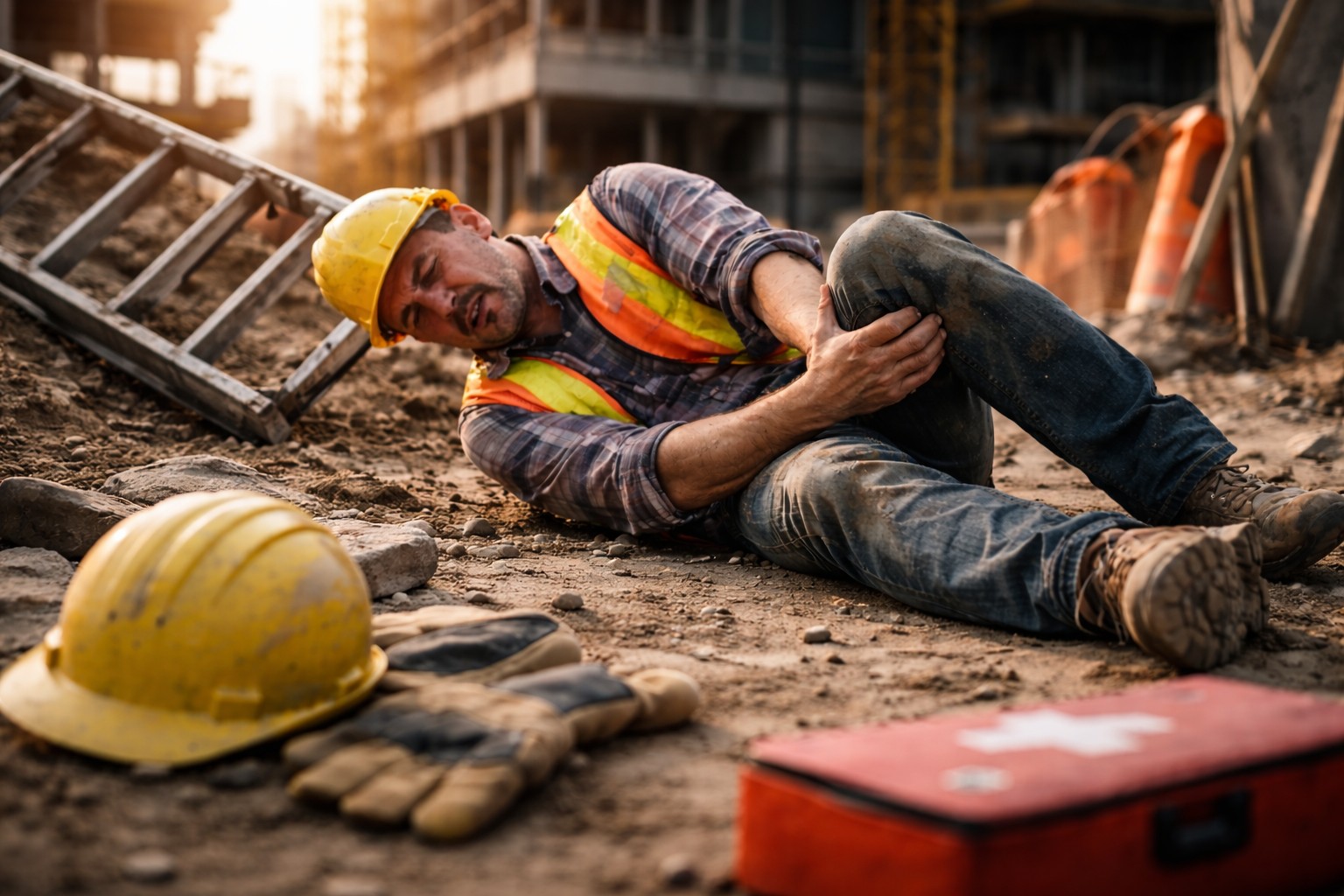
Injured on a construction site in California? Call (818) 988-7300 for a free consultation.
Construction sites are dangerous. Falls, unsafe equipment, and preventable hazards can cause life-changing injuries in seconds.
If you were injured on a construction site or as a result of a construction-related hazard — including a fall from scaffolding or a ladder, a struck-by incident involving falling objects or debris, an electrical injury, or another serious accident — I can help you understand your options and pursue fair compensation.
I represent clients throughout California, including Van Nuys, the San Fernando Valley, and surrounding communities.
Get a Straight Answer From an Attorney
California injury claims are governed by strict legal deadlines. Important evidence can also be lost if a case is not investigated early.
Insurance companies often continue “investigating” or “negotiating” while deadlines are quietly approaching. Once a legal deadline passes, your case may become worthless — even if the insurance company was still communicating with you when the deadline passed.
Part of my job is making sure deadlines are identified, evidence is preserved, and your rights are protected from the start — so you’re not pressured into a decision before you understand your options.
If you’re unsure what time limits apply to your situation, a free, no-pressure consultation can help clarify your options.
Construction injuries often involve multiple companies and safety rules. Here are some common construction site injury cases I handle.
Falls from ladders, scaffolding, roofs, openings, and elevated platforms — including missing guardrails, unsafe planking, and poor fall protection.
Injuries caused by improper setup, unstable ladders, defective components, unsafe access points, and failures to follow safety rules.
Falling tools or materials, swinging loads, forklifts, backing vehicles, and other jobsite incidents that cause serious injuries.
Electrocutions, shock injuries, arc flashes, burns, and injuries caused by unsafe wiring, exposed lines, improper lockout/tagout, or missing/inadequate warnings.
Injuries caused by defective power tools, machinery, safety gear, harnesses, lifts, or equipment failures — including product liability claims when appropriate.
Trenches, debris, poor lighting, unprotected edges, unsafe walkways, and other hazards created by contractors, subcontractors, property owners, or site managers.
After a construction injury, early steps can protect your health and preserve evidence.
Get evaluated as soon as possible. Serious injuries — especially head, neck, back, and internal injuries — may not feel severe right away.
Notify the appropriate supervisor and ask that an incident report be created. If possible, get a copy or write down who you reported it to and when.
Take photos or video of the area, the hazard, any missing safety protections, and any equipment involved (ladders, scaffolds, tools, harnesses, guardrails, warning signs).
Names and contact information of co-workers and other witnesses can be critical later, especially if multiple companies were on site.
Do not give recorded statements or sign releases without advice. Early paperwork can affect your claim before you know the full extent of your injuries.
Construction cases can involve third-party liability, defective equipment, and multiple insurers. A free, no-pressure consultation can help you understand your options and protect evidence.
Insurance companies sometimes contact injured people very quickly — sometimes the same day or within days of a collision — and ask them to sign paperwork. This is often an attempt to settle the case for far less than it is worth before you understand the full extent of your injuries or have a chance to speak with a lawyer.
Once you sign a release or settlement agreement, your case is usually over — even if your injuries turn out to be worse than expected. Do not sign any documents related to an injury claim until you’ve spoken with an attorney who can explain what you’re giving up.
Insurance adjusters protect the insurance company — not you. If you’re asked for a recorded statement, it’s almost always better to speak to an attorney first so you better understand your rights.
Clear answers to common questions after a construction site injury.
Confidential consultation. No upfront fees. Straightforward guidance about your options.
Start Your Consultation