Injured by a defective or dangerous product in California? Call (818) 988-7300 for a free consultation.
Products should be reasonably safe when used as intended — and when they are not, the injuries can be serious.
If you were injured by a defective or dangerous product — including a household product, tool, consumer product, or children’s product — I can help you understand your options and pursue fair compensation.
I represent clients throughout California, including Van Nuys, the San Fernando Valley, and surrounding communities.
Get a Straight Answer From an Attorney
California injury claims are governed by strict legal deadlines. Important evidence can also be lost if a case is not investigated early.
Insurance companies often continue “investigating” or “negotiating” while deadlines are quietly approaching. Once a legal deadline passes, your case may become worthless — even if the insurance company was still communicating with you when the deadline passed.
Part of my job is making sure deadlines are identified, evidence is preserved, and your rights are protected from the start — so you’re not pressured into a decision before you understand your options.
If you’re unsure what time limits apply to your situation, a free, no-pressure consultation can help clarify your options.
Here are some common product-related injury cases I handle.
Power tools, ladders, saws, and other equipment that is defective, malfunctions, or lacks adequate safety features or warnings.
Appliances, furniture, and consumer products that cause burns, cuts, electrocution, tip-over injuries, or other preventable harm.
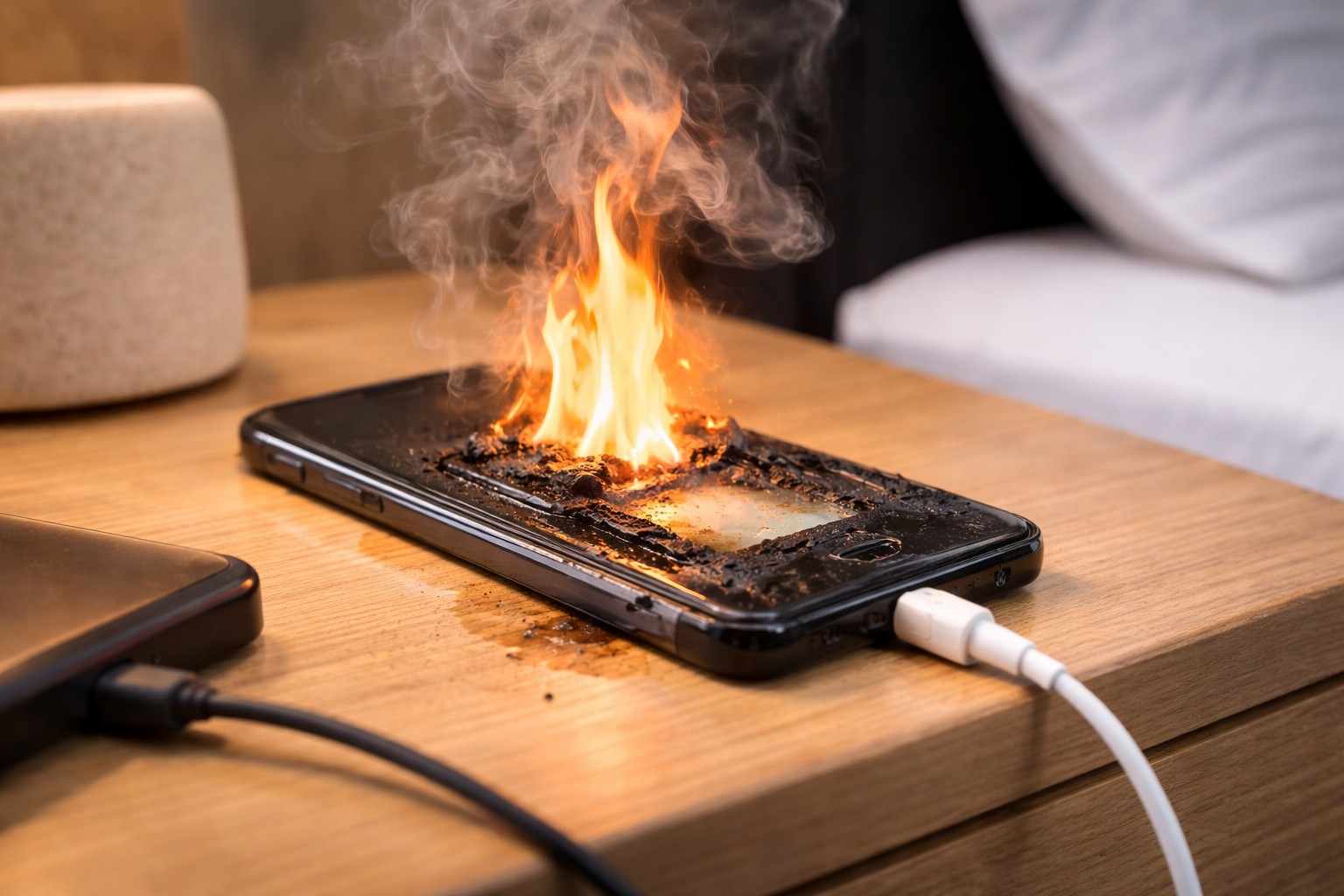
Everyday consumer products that fail, overheat, break, or lack proper safety features or warnings, causing preventable injuries.
Products sold for work or home use that fail, lack adequate safety features, or expose users to unreasonable risks.
Cribs, strollers, toys, and other products that create choking hazards, tip-over hazards, pinch points, or other safety risks.
Cases where a product’s risks were not properly disclosed or the instructions did not provide adequate warnings for safe use.
Here are some steps that can help protect your health and your claim.
If you feel pain or symptoms, get evaluated. Some injuries — especially head, neck, and back injuries — do not appear immediately.
If possible, set the product aside in a safe place and avoid repairing, altering, or disassembling it. I understand that many people discard a defective product out of concern for safety or to prevent further injuries — but manufacturers and their insurance companies often try to use the absence of the product as a reason to deny an otherwise valid claim.
Take photos and/or video of the product and the scene, any warning labels or instructions, the surrounding area where the incident occurred, and any damage caused by the defect. In some cases, the condition of the scene helps show how the product was being used and whether the injury was foreseeable.
If you still have them, keep the packaging, manuals, receipts, purchase confirmations, and any warranty paperwork. Many people understandably discard these items after purchase, but companies often try to use their absence to wrongfully deny responsibility.
The manufacturer, retailer, or insurance company may ask questions or request a statement. Avoid recorded statements and do not sign documents until you’ve spoken with an attorney.
A free, no-pressure consultation can help you understand your rights, protect evidence, and avoid common mistakes.
Insurance companies and product manufacturers sometimes contact injured people very quickly — sometimes the same day or within days of an injury — and ask them to sign paperwork. This is often an attempt to settle the case for far less than it is worth before you understand the full extent of your injuries or have a chance to speak with a lawyer.
Once you sign a release or settlement agreement, your case is usually over — even if your injuries turn out to be worse than expected. Do not sign any documents related to an injury claim until you’ve spoken with an attorney who can explain what you’re giving up.
Insurance adjusters protect the insurance company — not you. If you’re asked for a recorded statement, it’s almost always better to speak to an attorney first so you better understand your rights.
In product liability cases, the product itself is often important evidence. I understand that people frequently throw away a defective product to protect themselves or loved ones from further harm. Unfortunately, manufacturers and their insurance companies often try to exploit that reality to deny responsibility — even when a product clearly caused injury. If you still have the product, keep it in a safe place and do not modify it, but if you no longer have it, that does not automatically mean you do not have a case.
Clear answers to common questions after an injury caused by a defective or dangerous product.
Confidential consultation. No upfront fees. Straightforward guidance about your options.
Start Your Consultation